Comprehensive Guide to Car Key Replacement
Car keys have actually evolved significantly from the basic metal keys of the past to today's complex electronic systems, including key fobs and clever keys. Read the Full Write-up for car owners when keys are lost, damaged, or malfunctioning. Comprehending the car key replacement process, including expenses, kinds of keys, and alternatives readily available, is necessary for every vehicle owner.
Kinds Of Car Keys
Before diving into the car key replacement procedure, it is vital to know the various types of car keys available today:
| Type of Key | Description |
|---|---|
| Conventional Keys | Fundamental metal keys used in older models without innovative innovation. |
| Transponder Keys | Equipped with a chip that communicates with the car to enable it to begin. |
| Smart Keys | Keyless entry systems permitting proximity access and starting; frequently require a push-button start. |
| Key Fobs | Push-button control keys that can lock/unlock doors and trigger alarm systems. |
| Valet Keys | Streamlined keys that permit gain access to only to the trunk and limited car functionality. |
Why Key Replacement is Necessary
There are a number of reasons that a car owner might need to replace their car keys, and understanding these can offer clarity on prospective costs and timeframes.
- Lost or Stolen Keys: This is the most common factor for key replacement. A lost key postures a security danger, making it necessary to promptly change it.
- Damaged Keys: Wear and tear can lead to physical or electronic damage, affecting the key's ability to operate appropriately.
- Malfunctioning Transponders: The chip within the transponder key might malfunction, preventing the car from beginning.
- Changing Keys: Some owners may wish to switch to an advanced key type, such as transforming to a smart key system.
Alternatives for Car Key Replacement
When it comes to replacing a car key, vehicle owners have a number of alternatives. Each option includes its own set of advantages and disadvantages:
Dealership Replacement:
- Pros: Directly changes the key with a manufacturer-certified item. Key programming is dealt with by specialists.
- Cons: The most expensive choice with wait times if the key needs to be ordered.
Mobile Locksmith:
- Pros: More economical than dealers and can often offer quicker service. Lots of locksmiths have the innovation to program contemporary keys.
- Cons: Not all locksmiths have access to innovative key programming tools, especially for more recent models.
DIY Replacement:
- Pros: Could possibly conserve cash if you have the right tools and knowledge.
- Cons: Risk of incompatibility concerns or additional damage if not done properly; may void service warranties.
Insurance or Roadside Assistance:
- Pros: Some insurance plan or subscription services offer key replacement services as part of their coverage.
- Cons: Coverage may not consist of the complete expense, and sometimes there are limits.
The Car Key Replacement Process
The key replacement procedure can vary depending upon the kind of key and the selected replacement choice. Here's a general step-by-step guide:
Assess the Situation:
- Determine if the key is lost, taken, or harmed.
- Think about if the vehicle's security system requires to be reprogrammed.
Collect Required Information:
- Typical requirements consist of the vehicle identification number (VIN), evidence of ownership (such as a title or registration), and personal recognition.
Choose a Replacement Option:
- Evaluate the advantages and disadvantages of dealerships, mobile locksmiths, or DIY approaches.
Set up an Appointment:
- If utilizing a dealer or locksmith, established a time for them to provide the replacement service.
Replacement Key Programming:
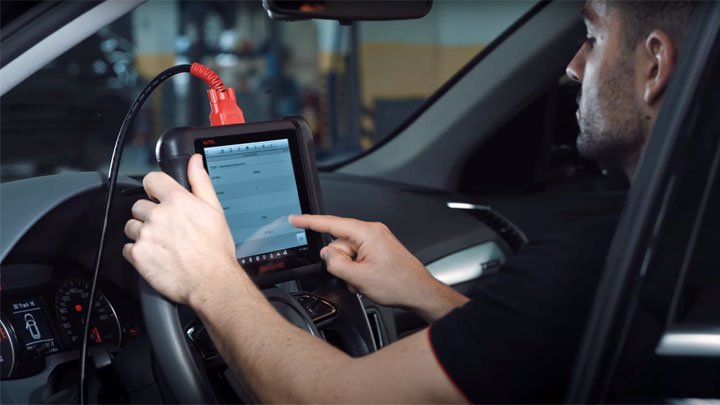
- Expect programming to ensure the brand-new key is synced with the vehicle's computer system.
Testing:
- Once a brand-new key is obtained, evaluate its performance to ensure it works properly with all vehicle systems.
Cost of Car Key Replacement
Costs can vary considerably based on the key type and replacement method. Here's a breakdown:
| Type of Key | Replacement Cost Range | Approximated Time Required |
|---|---|---|
| Conventional Keys | ₤ 2 - ₤ 10 | 20 - 30 minutes |
| Transponder Keys | ₤ 75 - ₤ 200 | 30 - 60 minutes |
| Smart Keys | ₤ 150 - ₤ 500 | 60 - 120 minutes |
| Key Fobs | ₤ 50 - ₤ 400 | 30 - 60 minutes |
| Valet Keys | ₤ 20 - ₤ 50 | 20 - 30 minutes |
Note: Prices may differ based on place and particular vehicle model.
Frequently Asked Questions (FAQs)
1. Can I get a new key made if I lost the original?
Yes, you can have a brand-new key made by either going to a dealer or a mobile locksmith, provided you have evidence of ownership and the vehicle recognition number (VIN).
2. How long does it require to replace a car key?
Replacement time can vary from 20 minutes for traditional keys to over 2 hours for wise keys, depending on the approach and complexity of programming.
3. Is it worth getting a key replacement from a dealership?
For some owners, it might deserve it for the comfort that features having a manufacturer-certified key, especially for more advanced lorries.
4. Can I program a car key myself?
Some basic keys can be programmed in the house, however advanced keys generally need specific equipment.
5. How can I prevent losing my keys in the future?
- Use key finders or clever trackers.
- Designate a specific location for your keys in the house.
- Consider a keychain with a big, visible design.
Car key replacement is an essential element of vehicle ownership in today's technically innovative automobile world. By understanding the types of keys, replacement alternatives, costs, and the basic process, car owners can make informed choices to ensure they are never ever left stranded due to key-related issues. Awareness and preparedness can save both money and time, permitting for smoother car ownership experiences.